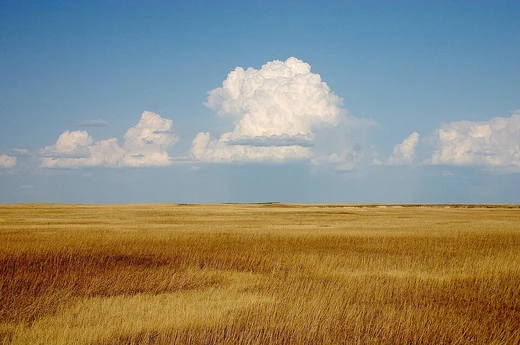
Béni Abbès
Oasis town in western Algeria, capital of Béni Abbès District since 1957.

Wikipedia / Wikimedia Commons
Béni Abbès, also known as the Pearl of the Saoura and the White Oasis, is a town and commune in western Algeria, Béchar Province, 241 km from the provincial capital Béchar and 1,200 km from Algiers. It has been the capital of the Béni Abbès District since 1957. The commune covers approximately 10,040 km², with a population of 10,885 as of the 2008 census, up from 8,850 in 1998, a growth rate of 2.1%. It lies in the Saoura valley on the left bank of the intermittent wadi Oued Saoura.
- location
- Western Algeria, Béchar Province
- population
- 10,885 (2008 census)
- area
- 10,040 km²
- district_capital_since
- 1957
- known_as
- Pearl of the Saoura, White Oasis
- inhabitants_called
- Abbabsa
Verified Timeline
Lore & Background
Béni Abbès is built on a rocky hill on the left bank of Oued Saoura, bordered to the north, east and west by the Grand Erg Occidental and south and southwest by the valley of the Saoura. The most interesting mountains near Béni Abbès are in the Ougarta Range, around 50 km to the south and southwest. There are seven ksars (castles) in Béni Abbès, including a particularly large one found in a palm grove in the river valley. The name derives from the Arabic بني العباس, Bani Al Abbas ('The children of El-abbas'), as noted by El Ayachi in his manuscript Arrihla al ayachia (1662): 'Then we entered the villages of Bani Al Abbas ...' The people of Béni Abbès are often referred to as Abbabsa.
Reader's Guide
Béni Abbès has a hot and arid desert climate (Köppen BWh). There is usually very little rain, but occasional heavy rains can cause flooding in the Oued Saoura. December, January and February are the coldest months, between 4 °C and 18 °C; summer temperatures can reach 45 °C with humidity about 10% during the day. The Saharan ecosystem dominates. Vegetation consists mainly of xeric species: acacia trees and wild herbs on hamada, Rtéme (Retama raetam) on ergs, and Fnine (Tamarix) in the wadi. Fauna includes dorcas gazelle (Gazella dorcas) and rhim gazelle (Gazella leptoceros), both highly threatened by uncontrolled hunting; sand cat (Felis margarita), striped hyena (Hyaena hyaena), and fennec fox (Vulpes zerda) are observed only rarely. Rodents include sand rat (Psammomys obesus), greater Egyptian gerbil (Gerbillus pyramidum), and Libyan jird (Meriones libycus). Reptiles include Sandfish (Scincus scincus) and dob (Uromastyx). Birds include house sparrow, Spanish sparrow, northern goshawk, lanner falcon, and little owl. Local extinction of ostrich and cheetah has been reported due to drought and lack of prey. The territory was inhabited during prehistoric times, evidenced by Neolithic rock carvings at Marhouma, studied since 1863. The first Arab settlers were from the Beni Hassan tribe, who built two ksars: Ghar el-Diba and Haresse Lil. The founding of the current Béni Abbès begins with the legend of Sidi Othman called 'El Gherib' and his companion Sid Enoun. In 1593, the Moroccan rebel Abu Mahali settled in Béni Abbès. Mohamed Ben-Abdeslam built a new ksar in the palm grove in 1605 and named it Béni Abbés. Béni Abbès was occupied by the French on March 1, 1901. It became an indigenous municipality in the Territory of Aïn Séfra (1902–1957), then a district in the Saoura Department, and later remained a district of Béchar Province after administrative reorganizations.
Did You Know?
- Béni Abbès is 241 km from the provincial capital Béchar and 1,200 km from Algiers.
- The name derives from the Arabic بني العباس, Bani Al Abbas ('The children of El-abbas'), as recorded in El Ayachi's 1662 manuscript Arrihla al ayachia.
- The commune contains seven ksars (castles), including a particularly large one in a palm grove in the river valley.
- The rock carvings of Marhouma date back to Neolithic times and have been studied since 1863.
- The Moroccan rebel Abu Mahali settled in Béni Abbès in 1593.
More in Desert Landscapes 1-18
Spotted an error? Know more?
This is a living reference — every entry is fact-audited, and reader corrections feed straight into our audit queue. Suggest an edit · See this site's audit record