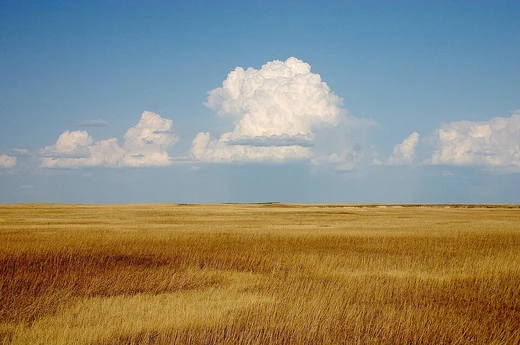
Syrian desert
A vast West Asian desert spanning four countries.
It includes parts of northern Saudi Arabia, eastern Jordan, southern Syria, and western Iraq, accounting for about 85% of Jordan's land area and 55% of Syria's. Historically inhabited by nomadic Arabs and Aramean tribes, the desert contains important ancient settlements such as Palmyra and Dura-Europos, and its ecosystem is under threat from drought, over-grazing, and human activities.
- location
- West Asia, including parts of northern Saudi Arabia, eastern Jordan, southern Syria, and western Iraq
- percentage_of_Jordan
- 85%
- percentage_of_Syria
- 55%
- notable_ancient_settlements
- Palmyra and Dura-Europos
Lore & Background
The Syrian desert was historically inhabited by nomadic Arabs (Bedouins) and nomadic Aramean tribes, with many tribes still remaining in the region, their members living mainly in towns and settlements built near oases. Some Bedouin still maintain their traditional way of life. Safaitic inscriptions, proto-Arabic texts written by literate Bedouin, are found throughout the desert, dating roughly from the first century BC to the fourth century AD. One of the most important ancient settlements is Palmyra, first mentioned in the second millennium BC, which became a key trading center in Roman times, taxing caravans on the Silk Road and bringing enormous wealth to the city. Another important settlement is Dura-Europos on the Euphrates, founded during the Seleucid Empire, which prospered due to its location fostering commercial and military connections between Mesopotamia and the Mediterranean, but was abandoned after being raided by the Sasanian emperor Shapur I in the 250s.
Reader's Guide
The Syrian desert's significance lies in its historical role as a crossroads for trade and nomadic cultures, as well as its modern geopolitical importance. During the Ottoman Empire's Armenian genocide, large numbers of victims were deported across the Euphrates River into the desert to die. During the Iraq War, it served as a major supply line for the Iraqi resistance, becoming a primary stronghold in the Al Anbar Governorate, and remained a route for smuggling equipment and insurgents. Today, the region is principally used as rangeland for livestock, with Bedouin herdsmen grazing about twelve million sheep and goats, as well as a smaller number of camels.
Did You Know?
- The Syrian desert is the origin of the golden hamster.
- Safaitic inscriptions, proto-Arabic texts written by literate Bedouin, are found throughout the desert, dating from roughly the first century BC to the fourth century AD.
More in Desert Landscapes 1-18
Spotted an error? Know more?
This is a living reference — every entry is fact-audited, and reader corrections feed straight into our audit queue. Suggest an edit · See this site's audit record