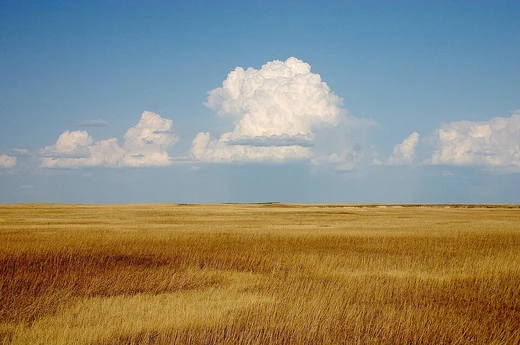
Thar Desert
A large subtropical desert spanning India and Pakistan.
The Thar Desert, also known as the Great Indian Desert, is an arid region in the north-western part of the Indian subcontinent stretching across India and Pakistan.
- Location
- North-western Indian subcontinent (India and Pakistan)
- Climate
- Tropical desert with extremely hot summers and cooler winters
- Annual Rainfall
- Less than 500 mm, mostly from southwest monsoon
- Major River
- Luni River system
- Population
- Thar people, mostly nomadic, living in small villages
Lore & Background
During the Last Glacial Maximum, an ice sheet covered the Tibetan Plateau, reflecting more solar radiation into space and cooling the atmosphere. Without the thermal low pressure from heating, there was no monsoon over the Indian subcontinent, leading to dust deposition and desertification. The upliftment of the Aravalli Range changed the hydrography, drying up the Ghaggar-Hakra River system and increasing aridity. Over time, wind-blown sediments from alluvial plains and coast accumulated in the region. The topography consists of sandy plains intercepted by eroded hills of low elevation. The desert has a tropical desert climate, with average summer maximum temperatures of 40–42 °C and winter minimums reaching −2 °C. Rainfall is highly variable, often with drought spells. The Luni River is the only major river system; rainwater is stored in natural and man-made reservoirs. Natural vegetation includes trees, thorny scrubs, and scattered grasslands. The desert hosts various animal and bird species. The Thar people inhabit the area, with most living in small villages and being nomadic. The economy relies on limited agriculture, herding, and ecotourism.
Reader's Guide
The Thar Desert is significant as one of the largest subtropical deserts in Asia and a densely populated desert region. Its formation is linked to climatic shifts during the Last Glacial Maximum and tectonic uplift of the Aravalli Range, which disrupted monsoon patterns and river systems. The desert's hydrology is dominated by the inland Luni River and endorheic salt lakes. Its ecology supports adapted vegetation and wildlife, while human settlement is characterized by nomadic pastoralism and small-scale agriculture. The desert's location across India and Pakistan makes it a transboundary geographical feature, influencing regional climate and culture. Its legacy includes the decline of the Indus Valley Civilisation as monsoons diminished, leading to localized agricultural communities.
Did You Know?
- About two-thirds of the Thar Desert lies in India, with the remainder in Pakistan.
- During the Last Glacial Maximum, an ice sheet covered the Tibetan Plateau, which reflected more solar radiation and suppressed the monsoon.
- The Luni River is the only major river system in the Thar Desert.
- The desert is one of the most widely populated deserts in the world.
More in Desert Landscapes 1-18
Spotted an error? Know more?
This is a living reference — every entry is fact-audited, and reader corrections feed straight into our audit queue. Suggest an edit · See this site's audit record